IGen CVPR 2026 Classic
CVPR 2026

IGen: Scalable Data Generation for
Robot Learning from Open-World Images

Turning unstructured 2D pixels into structured 3D scenes — and synthesizing realistic visuomotor data without a single human teleoperation.

Chenghao Gu1*, Haolan Kang2*, Junchao Lin3*, Jinghe Wang1, Duo Wu1, Shuzhao Xie1, Fanding Huang1, Junchen Ge1, Ziyang Gong4, Letian Li1, Hongying Zheng5, Changwei Lv5, Zhi Wang1
1Tsinghua University  ·  2The University of Hong Kong  ·  3Beijing University of Chemical Technology
4Shanghai Jiao Tong University  ·  5Shenzhen University of Information Technology
*Equal contribution
Open-World Image Tea set scene
Generated Pour tea
Click
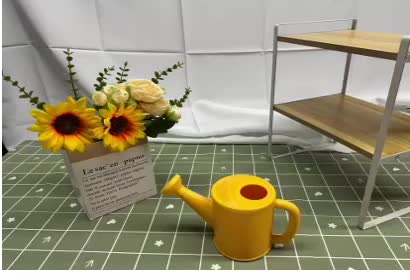
Open-World Image Sunflower scene
Generated Water the flowers
Click
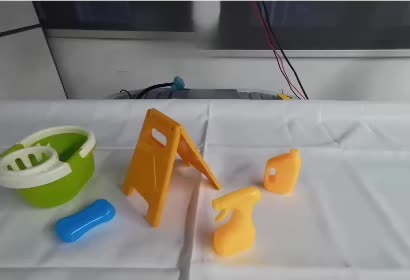
Open-World Image Ducks scene
Generated Pick & place
Click
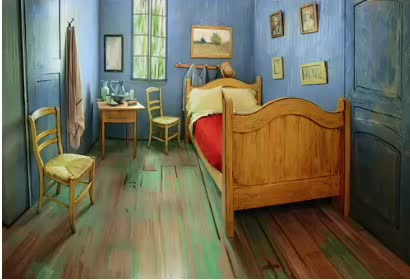
Open-World Image Van Gogh bedroom scene
Generated Tidy the bedroom
Click
Open-World Image Ring-stack scene
Generated Stack rings
Click
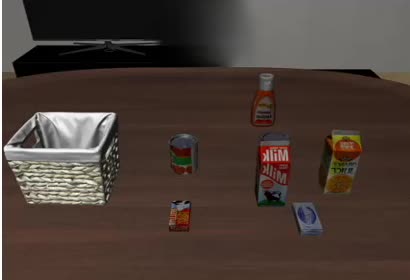
Open-World Image Basket scene
Generated Place into basket
Click

Click any cell on the right to play the generated trajectory. From a single open-world image (left of each cell), IGen automatically synthesizes the robot trajectory and renders the corresponding visuomotor observations — with no human teleoperation involved.

Overview

Key Takeaways


Showcase

Train a Robot Policy from a Single Image


Approach

Method

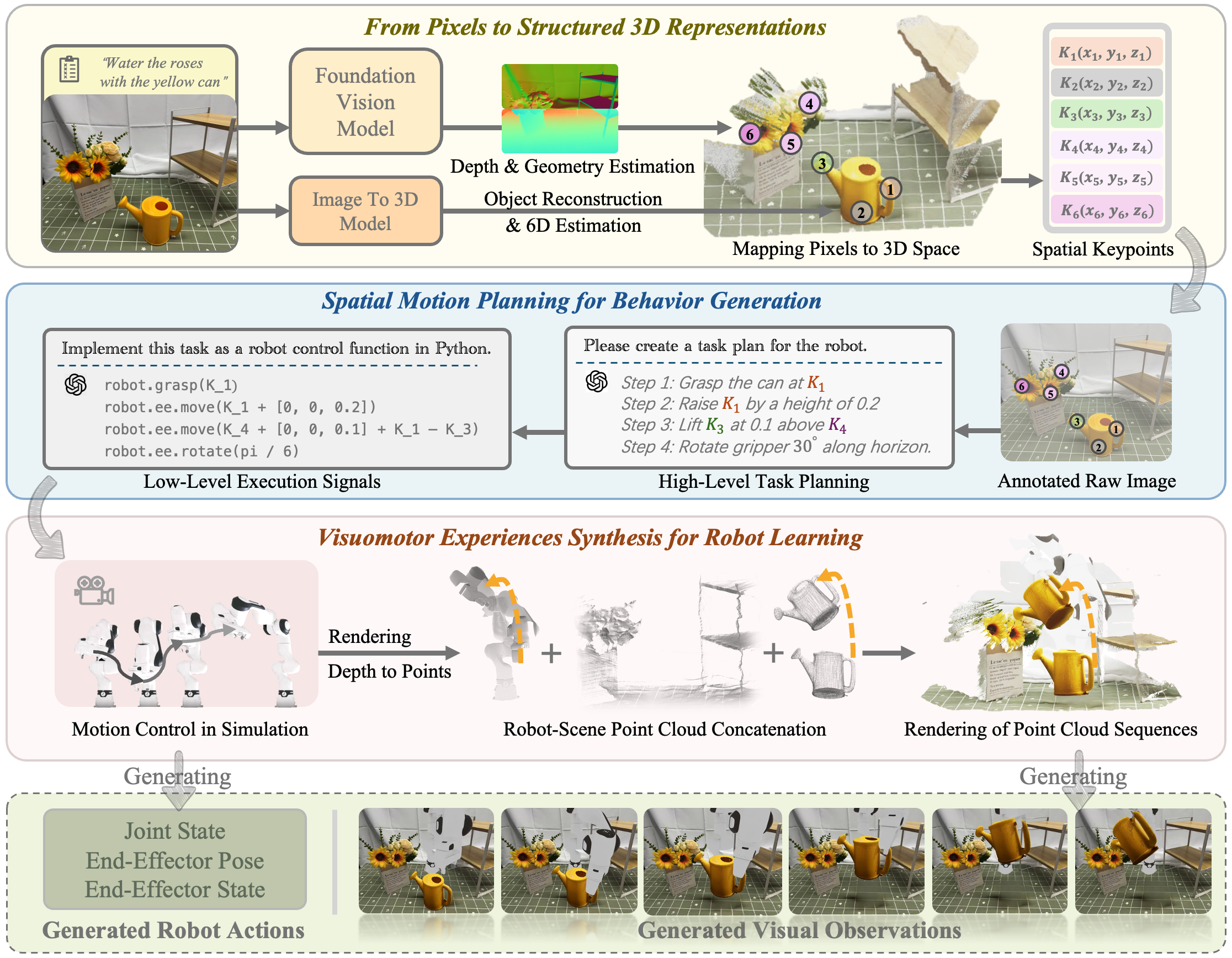
IGen method overview

Pipeline of IGen. Given an open-world image and a task description, IGen first reconstructs the environment and objects as point clouds via foundation vision models. After spatial keypoint extraction, a vision-language model maps the task description to high-level plans and low-level control commands. During the robot's execution in simulation, a virtual depth camera captures motion point-cloud sequences. The resulting end-effector pose trajectory drives the synthesis of dynamic point-cloud sequences, which are then rendered frame-by-frame into visual observations of the manipulation. The final output consists of the generated robot actions and the visual observations.


Results

Generated Data & Real-World Deployment

Starting from a single captured real-world scene image, IGen automatically generates 1,000 task demonstrations with spatial randomization. The resulting data are used to train a visuomotor policy, which is later deployed and evaluated on a real robot. The result suggests that IGen can serve as an effective and scalable alternative to human teleoperation for training robot policies.

Real-World Rollouts


Cite

BibTeX

igen.bib
@misc{gu2025igenscalabledatageneration,
    title  = {IGen: Scalable Data Generation for Robot Learning from Open-World Images},
    author = {Chenghao Gu and Haolan Kang and Junchao Lin and Jinghe Wang and
              Duo Wu and Shuzhao Xie and Fanding Huang and Junchen Ge and
              Ziyang Gong and Letian Li and Hongying Zheng and Changwei Lv and Zhi Wang},
    year   = {2025},
    eprint = {2512.01773},
    archivePrefix = {arXiv},
    primaryClass  = {cs.RO},
    url    = {https://arxiv.org/abs/2512.01773}
}